

A different kind of conversation
What a new conversation can look like
Pathbreaking changes how you talk with your teen about their present and their future: what they spend time on, what they leave out, and why. Their future can take shape as they go. Here’s one example.
On the path
“What do you want to be?”
Their whole future, made to feel like one decision: what they’ll do and how they’ll spend decades of their life. It’s an overwhelming answer to demand before they’ve explored. They don’t need to settle it now.
When you pathbreak
“What do you want to try first?”
One experience gives them something to build on. They learn, gain confidence, and see what they want to try next. One thing leads to another, and their life starts taking shape.
Hear how it unfolded for our daughter BrookeBuild a life, one part at a time
A small choice can lead to a new habit, a skill, or an interest they didn’t expect. Each step gives them something to build on. You mentor them along the way: help them reflect on what they’re learning, recognize their progress, and grow confident enough to take the next step.
Houston, we have a problem
Young adults
aren't doing well.
Today's anxious teenagers are becoming tomorrow's disillusioned young adults.
They're being sold a lie.
They do everything they're told. For years they comply, conform, and chase external approval. Then they step into the real world without the adaptability, self-directed learning, and emotional intelligence it actually takes to thrive.
7 in 10 teens feel pressure to get good grades.
51% of Gen Z grads say their degree was a waste of time or money.
Sources and context"The most educated (and in debt) generation in history is pouring their heart, mind, mental wellness, and a lot of money into a formulaic path that, for many, does not work out as expected." Pathbreaker Parenting, Chapter 1
Two roads
The Path vs. the Pathbreaker
The assumptions they’ve absorbed. The conversations that open up another way.
On the path you have little control over what you learn, when, how, or who teaches it. You're assessed continuously on your ability to learn this thing, this way, at this time, from this instructor. Pathbreaking hands all four back to you. Any topic, anytime, anywhere, from the best instructors in the world.
On the path everything flows from one outcome. Your job. Get a good job, make good money, and happiness is supposed to follow. Pathbreaking runs it the other way. Build the fulfillment first, from the inside out, and success follows on a definition you set rather than one you inherit.
On the path you avoid mistakes because one bad semester follows you onto the college application. If you want to be picked, you have to look pristine. Pathbreaking drops that scoreboard. Mistakes are how you find out what you're actually good at, and a clean record just means you never checked.
On the path, conformity is the constant drumbeat. Do not veer off. Do not lose focus. You become a compliant cog, exactly as designed. Pathbreaking gives you room to take unplanned exits and to be inconvenient on purpose. The traits that get you written up at 16 are the ones companies beg for at 26.
On the path, a degree signals that you're driven and thorough. You follow through. You achieve your goals. Pathbreaking says it proves something narrower. Sorting applications by degree is cheap for the employer; it says you finished, not what you can do. What moves you up the stack is work you can show and someone willing to vouch for you. In eleven years of hiring I never picked anyone for where they went to school.
A pathbreaking story
Languishing at 19
Thriving by 23
One semester of college. Seven months of going nowhere. Then one pivotal conversation.
Directionless, Brooke tried college because her friends were going. We encouraged her to treat it as an experiment, with no commitment to stay. It wasn’t working, and she chose to leave. Seven months later, she was still lost.
Home felt safe, but she needed a different environment to discover what she could do. Over dinner, I told her she had to move out. I worried I was pushing too hard. Walking back, she said:
“Thanks, Dad. I really needed this.”
Taking responsibility for her own life helped her build confidence and direction, one step at a time.
The years that followed
- Financially independent by 20. Built and closed a candle business on her own terms.
- Lost 90 pounds over three years. Taught herself to cook and learned about nutrition.
- Now helping others. Leads Weight Watchers workshops and shares recipes and guidance with more than 50,000 people and growing.

One kid is not a study. Brooke’s story illustrates the approach; it doesn’t establish that the same decision is right for every family.
See the sources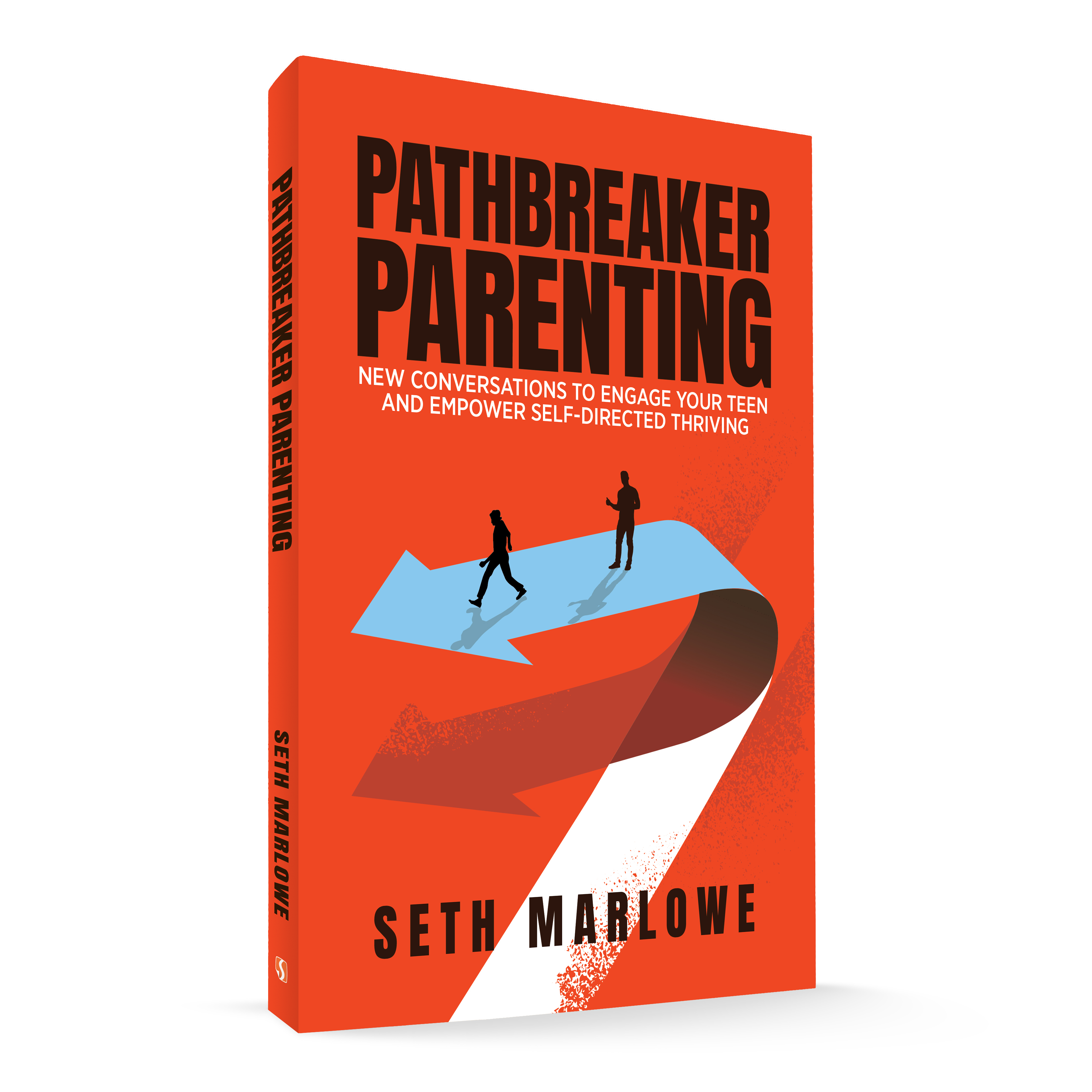
The book
There's a better way. And it starts with new conversations.
The book gives you the actual words, with conversations that begin in the opening chapters. The final section develops these eight in full, helping your teen build confidence, create value, and shape a life of their own.
Read the first four chapters, free →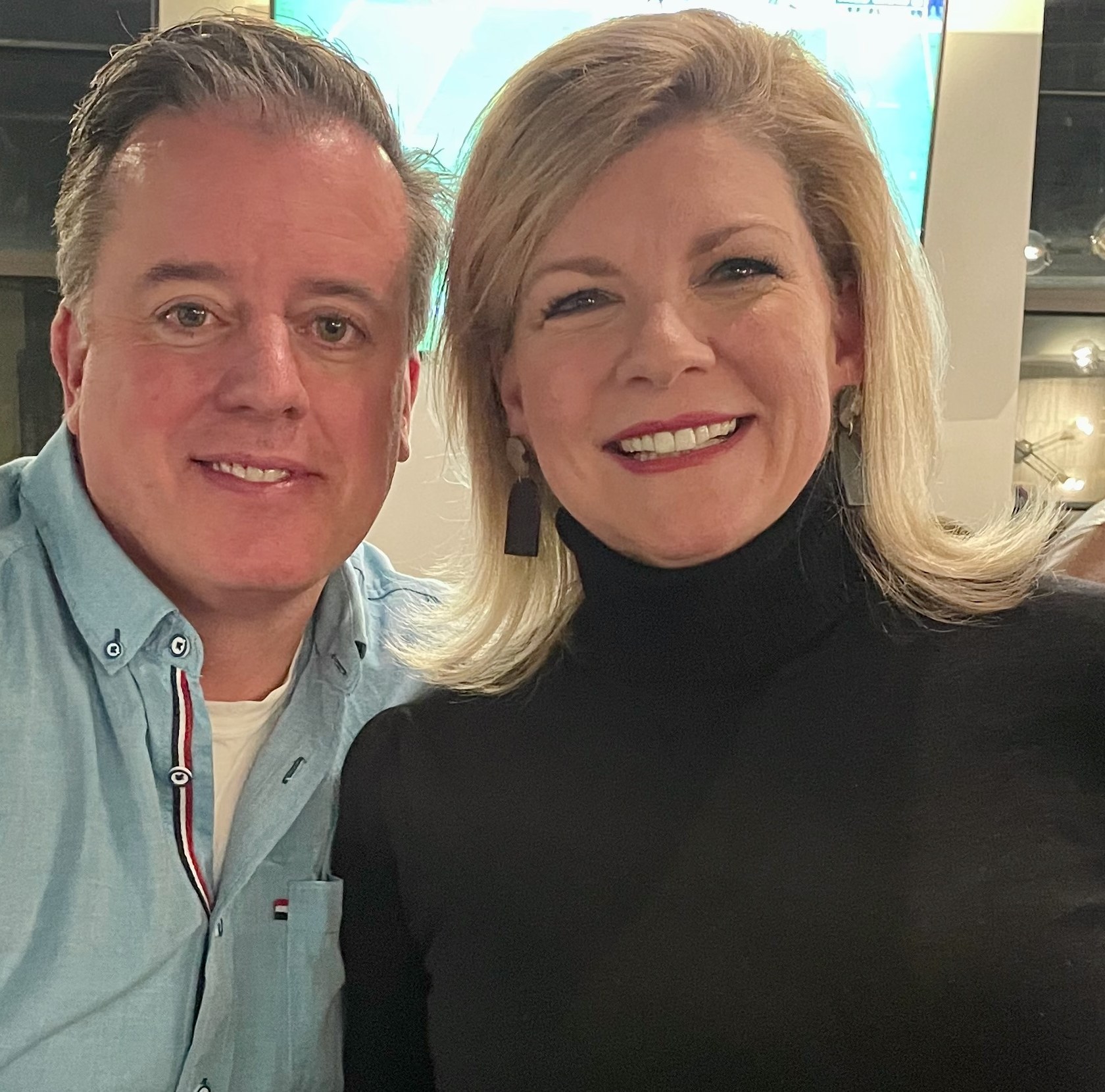
Who's writing this
What my career taught me about raising teens
Seth Marlowe
Across thirty-two years in business, I worked with senior executives at companies of all sizes, including Fortune 10 companies. The people I wanted to hire, work alongside, or work for were self-directed. They questioned assumptions, pushed boundaries, and built solutions. Their value came from what they could do, not how well they followed instructions.
Donna and I were raising teens in a system that rewarded conformity, avoiding mistakes, and committing early to a distant future. I came to believe that, for most teens, college years and dollars could be better invested in real-world experience, skills, and financial independence. That gap inspired Pathbreaker Parenting: helping teens become capable, independent people we’d want to work alongside.
More about Seth →No pressure
Where do you want to start?
For parents
Get the first 4 chapters free
Section one, a 20 minute read. It runs the whole loop in miniature: the struggle, the path, the lie about college, and the first of the new conversations.
- Young Adults Struggle
- A Misguided Path
- The Requirement Lie
- Start New Conversations
You’re signed up. Download your chapters now:
Download the first four chaptersReady for all of it
Read the full book
The complete argument and framework, in paperback or audio.
See buying optionsFor event organizers
Book a talk
Bring Pathbreaking to your team, conference, or parent community. Solo, or with the family who lived it.
Explore speaking
Just browsing?
Read the blog: new conversations weeklyFrom the blog
New conversations, weekly
EQ over GPA every day and twice on Sundays
Why we cared more about our daughters' EQ than their GPA, and the one-year rule that kept a bad week from becoming a bad decision.
Read on Substack
I Almost Canceled the Lunch
One of the best hires of my career checked one box on the list I was hiring against. Your kid is being trained to fill in the boxes.
Read on Substack
The babysitter test nobody applies to their own kid
You'd never hire a sitter based on a diploma. So why do we tell teenagers the opposite?
Read on Substack